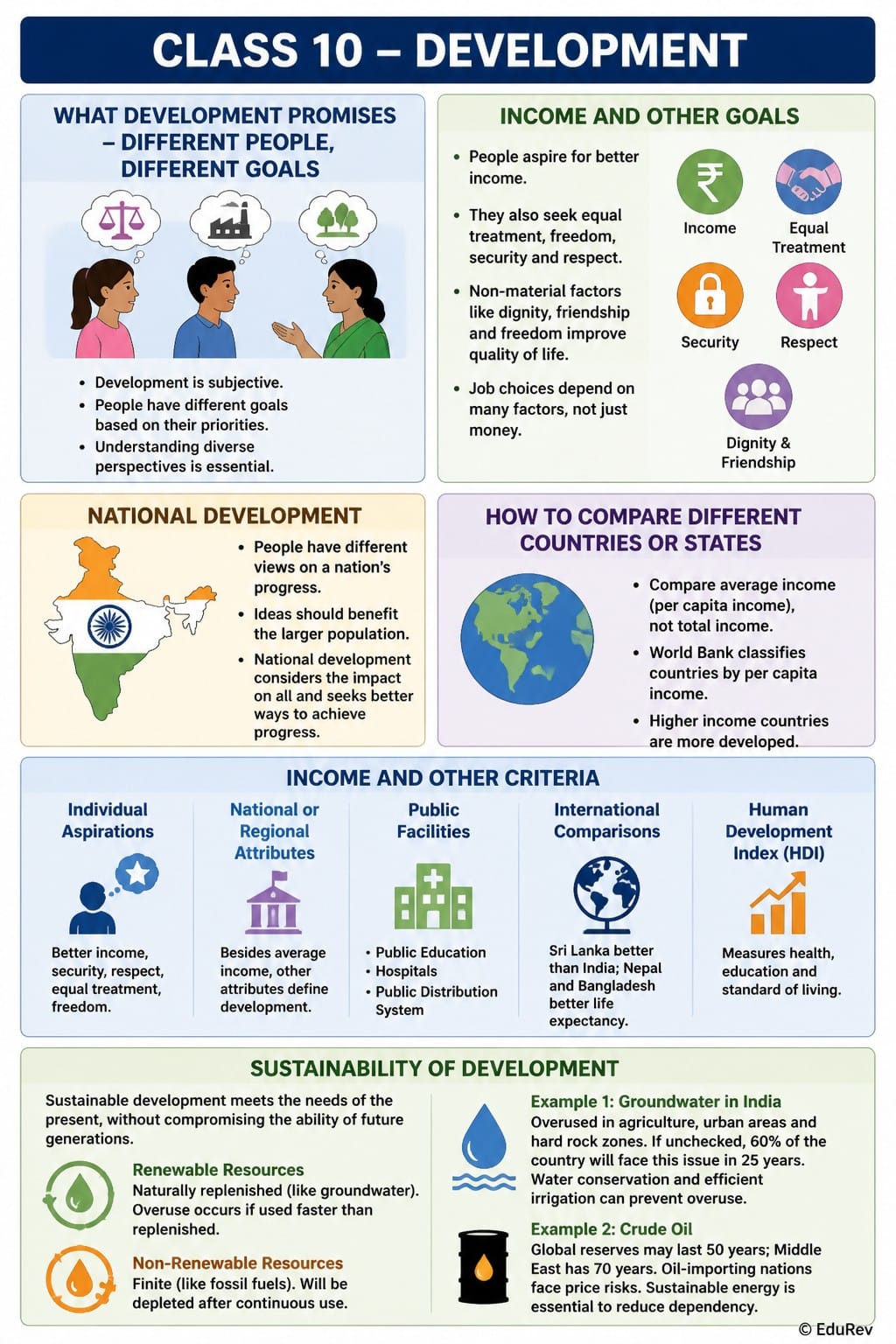
Mind Map: Development
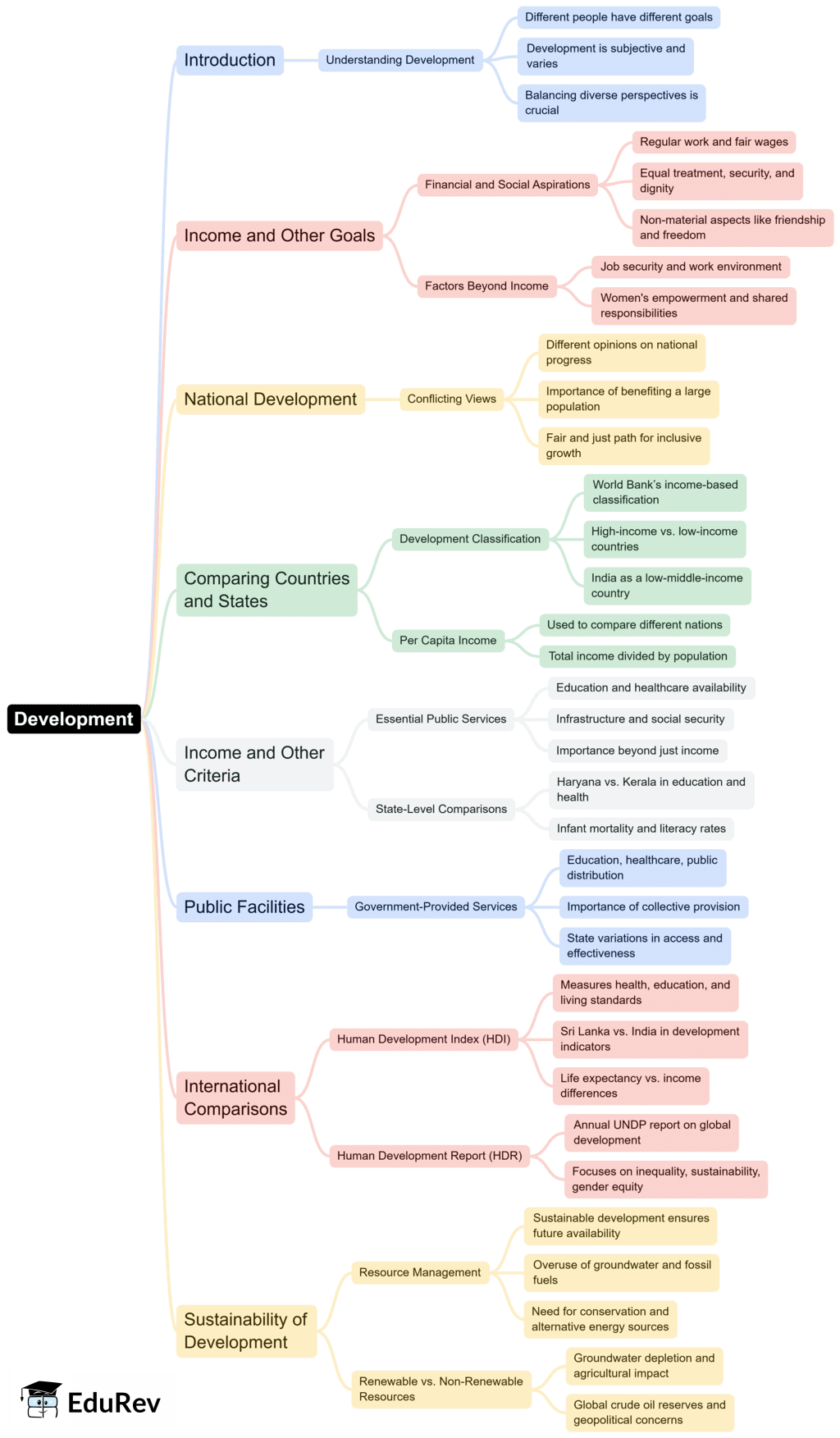
What Development Promises: Different Peoples & Goals
- Different people can have different developmental goals
- What may be development for one may not be development for the other person. It may even be destructive for the other.
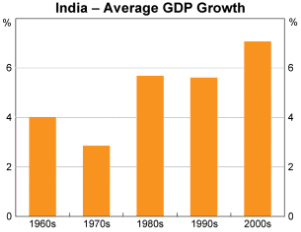 Economic Development of India
Income and Other Goals
- Development is the sum total of income plus quality of life. Besides seeking more income one way or another, people also seek things like equal treatment, freedom, security, respect for others.
- Different people have different goals in their life. What may be development for one may not be developed for another. This can be understood by the following:
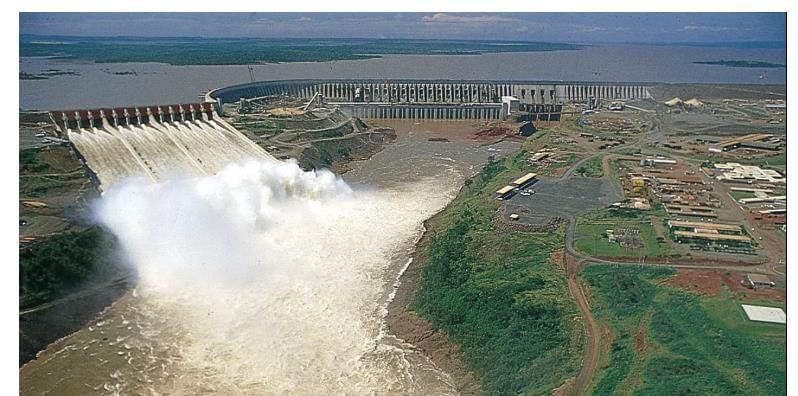
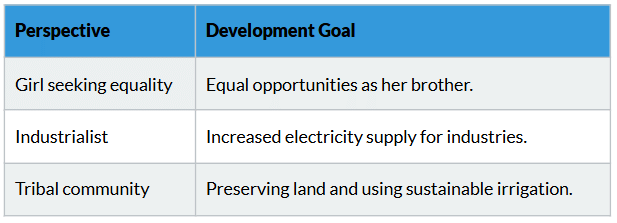
Example: To get more electricity, an industrialist may want more dams. But this may submerge the land and disrupt the lives of people who are displaced, such as tribes. - One common thing among all people is the desire for more income. With this income, they buy goods and services for their daily needs. Quality of life depends on non-material things also.
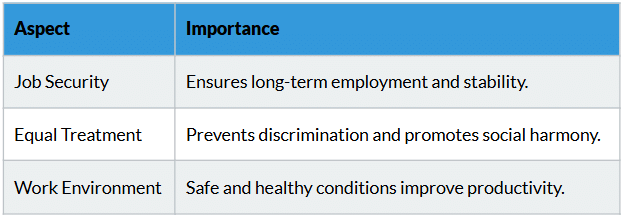
Example: A job may give you less pay but may offer regular employment that enhances your sense of security.
People seek various things beyond just income. One important aspect they look for is equal treatment. This is crucial for a better quality of life.
- Besides income, they desire freedom, security, and respect for others.
- Different individuals have unique goals based on their own needs.
 | Get additional INR 200 off today with EDUREV200 coupon. | Avail Offer |
National Development
- Ideas of development differ at an individual and national level.
Example: A landless rural labourer may desire more days of work and better wages at the individual level, but at the national level, he may want a good education and health facilities in the local area.
Also read: Previous Year Questions: Development |
How to Compare Different Countries or States?
- The average income can be calculated by dividing national income by the population. It is also called per capita income.The standard of living of people in a country depends on their per capita income.
- Countries with higher per capita income are more developed than others with less per capita income.
 Education and health also play an important role in the country's development.
To know about other criteria we should be familiar with some terms:
(a) Infant Mortality Rate (IMF): It indicates the number of children who die before the age of one year, as a proportion of 1000 live children born in that particular year.
(b) Literacy Rate: It measures the proportion of the literate population in the 7 and above age group.
(c) Net Attendance Ratio: It is the total number of children of age group 6-10 attending school as a percentage of a total number of children in the same age group.- The human development index is the quality of life index prepared by UNDP.
It has mainly three indicators:
(a) Life Expectancy at Birth: It denotes the average expected length of life of a person at the time of birth.
(b) Gross Enrollment Ratio: It shows the enrollment ratio in primary schools, secondary schools and in higher education.
(c) Per Capita Income: It is calculated in dollars for all countries so that it can be compared.
Adding all the three indicators and dividing by 3, gives the human development index:
LE = Life expectancy
GER = Gross enrollment ratio - Human Development Report published by UNDP is useful for comparison between different countries regarding the educational level of their people, their health status and real per capita income.
Try yourself: What does UNDP stand for?
The United Nations Development Programme (UNDP) is the United Nations' global development network. It promotes technical and investment cooperation among nations and advocates for change and connects countries to knowledge, experience, and resources to help people build a better life for themselves.
 | Attention! Sale expiring soon, act now & get EduRev Infinity at 40% off! | Claim Offer |
Income and Other Criteria
- When we think of a nation or a region, besides average income, public facilities are equally significant attributes.
- Public Facilities: These are the services provided by the government to its citizens. Some of the important public facilities include infrastructure, sanitation, public transport, health care, water, etc.
- Public facilities are those which are provided by the government to satisfy the collective needs of the people.
Example: Schools, hospitals, community halls etc. It is the best and the cheapest way to provide these goods and services collectively.
Also read: Previous Year Questions: Development |
Sustainability of Development
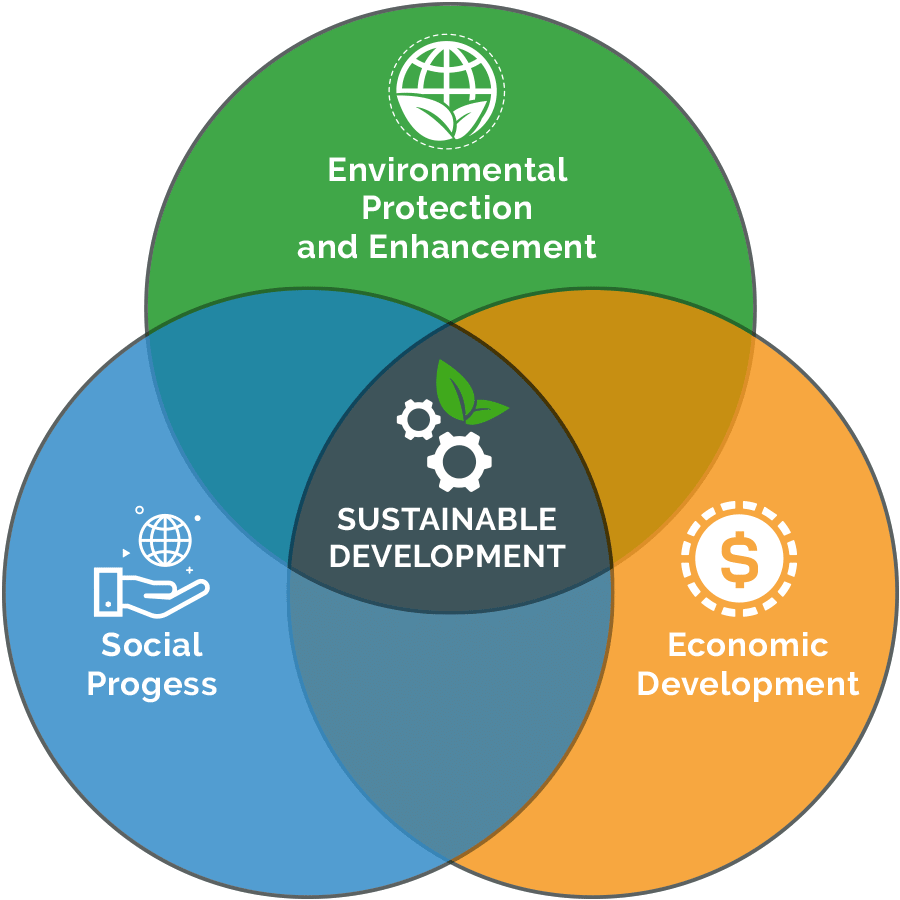
Sustainable development is a process that fulfils the needs of the present generation, without causing any harm to the ability of the future generations to meet their own needs. Achieving Sustainability will enable the earth to continue supporting human life
- It requires the preservation of stock of resources including exhaustible natural resources and environmental resources.
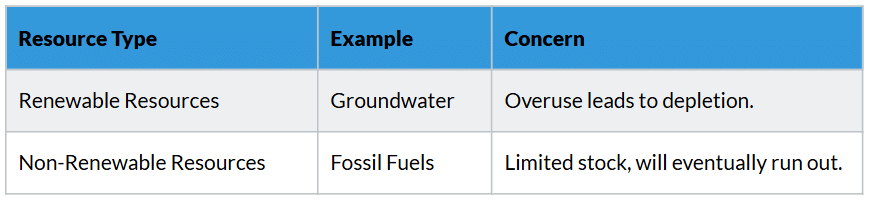
- Recent studies show that groundwater in India is exhausted because of overuse. 1/3rd of the country is overusing its groundwater reserves.
- Another area is the exhaustion of natural resources. The resources of crude oil would last only for 43 years.
Short Answer Questions: Development
Q1: What are the various social indicators of development?
Ans: Although the level of income is an important indicator of development, it is an inadequate measure of the level of development. Other social indicators are:
- Health and Education: People become human resources when investments are made in their health and education.
- Sex ratio: It is defined as the number of females per thousand males. An ideal sex ratio should be more or less an equal number of males and females. The sex ratio in favor of males indicates sex discrimination, which goes against development.
Q2: What is Sustainable Development? Why is the issue of sustainability important for development? Explain.
Ans: Sustainable Development refers to development that meets the needs of the present without compromising the ability of future generations to meet their own needs.
- Economic development is a continuous process. Resources are to be used in such a way that they are not exploited. At the same time development should not harm the environment.
- It is desirable because everyone would certainly like the present level of development to go further or at least be maintained for the future generations.
Q3: How are economic development and human development related to each other?
Ans:
- Human development: It refers to the process of improvement in human beings. People become human resources when investments in them are made in the form of health and education.
- Life expectancy at birth, adult literacy rate, and per capita GDP are important indicators of human development.
- Economic development: It will be sustainable if resources are managed in such a way that future generations do not suffer and have at least the same that present generations have.
Q4: Prove that development for some may be harmful to others.
OR
With the help of examples, two groups may have different notions of development.
OR
'What may be development for one may not be development for the other'. Explain by giving examples.
Ans: It is true that development for one may not be development for the other. The following examples can prove this truth:
Construction of Dams:
- The construction of dams may be beneficial for industrialists and large farmers, but this may submerge the agricultural land and disrupt the lives of the people.
- More wages mean development for a worker, but it can go against the employer.
- A consumer wants to purchase different household articles at low prices, but a trader or seller wants to sell these items at a higher price.
Q5: Write the importance of human development index in three points.
Ans: Human Development Index is published by the UNDP.
- It indicates the level of development of a country.
- The report provide information about the different welfare elements such as education levels, health status and literacy level of a country.
- It also provide information about the per capita income of a country.
Q6: What is the main concern with regard to sustainable development?
Ans:
Save resources from depletion:
- The main concern of sustainable development is to save resources from depletion.
- Development should take place but not at the cost of the environment.
- Resources should be reserved for future generations.
Q7: Mention in brief the factors which are important goals in our life.
Ans:
- Desire for more income: People desire regular work, a good salary structure, and decent prices for crops or other products that they produce. We can say that there is a desire for more income.
- Equal treatment: People also want equal treatment in society. People want freedom, security, and respect for others. They don't expect discrimination.
Q8: Why do we use averages? Are there any limitations to their use? Illustrate with your own examples related to development.
Ans:
- Different countries have different populations, so calculating the average helps in getting an estimated answer, which can be used to compare different things at different levels.
- There are limitations in calculating averages because we cannot know the difference in the income of the people and the unfair distribution of income in a country or state.
- For example, if we calculate the per capita income of two countries A and B with 5 people each, the salary of five people in country A is Rs.23,000, Rs.22,000, Rs.23,500, Rs.28,000 and Rs.25,000 and the income of people living in country B are Rs.1,50,000, Rs. 22,000, Rs.50,000, Rs.4000, Rs.2500.
- The average income of country A will be Rs.24,300, and that of country B will be Rs.45,700. This proves that the average of country B is higher than that of country A, and yet there is a disparity in the income distribution of country B and the income is evenly distributed in country A.
Q9: Kerala, with lower per capita income, has a better human development ranking than Haryana. Hence, per capita income is not a useful criterion at all and should not be used to compare states. Do you agree? Discuss.
Ans:
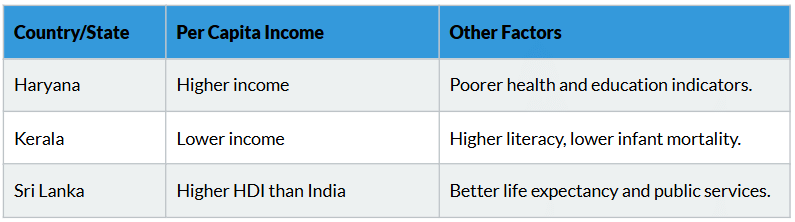
- Kerala, with lower per capita income, has a better human development ranking than Haryana.
- Hence, per capita income is not a useful criterion at all and should not be used to compare states.
- This is true because the literacy rate, infant mortality rate, healthcare facilities, etc. are better in Kerala than in Haryana.
- The per capita income is only calculated by calculating the average income of the state, irrespective of any other factor.
Q10: Find out the present sources of energy that are used by the people in India. What could be the other possibilities fifty years from now?
Ans:
- The present sources of energy used by people in India include firewood, coal, petroleum, crude oil, and natural gas.
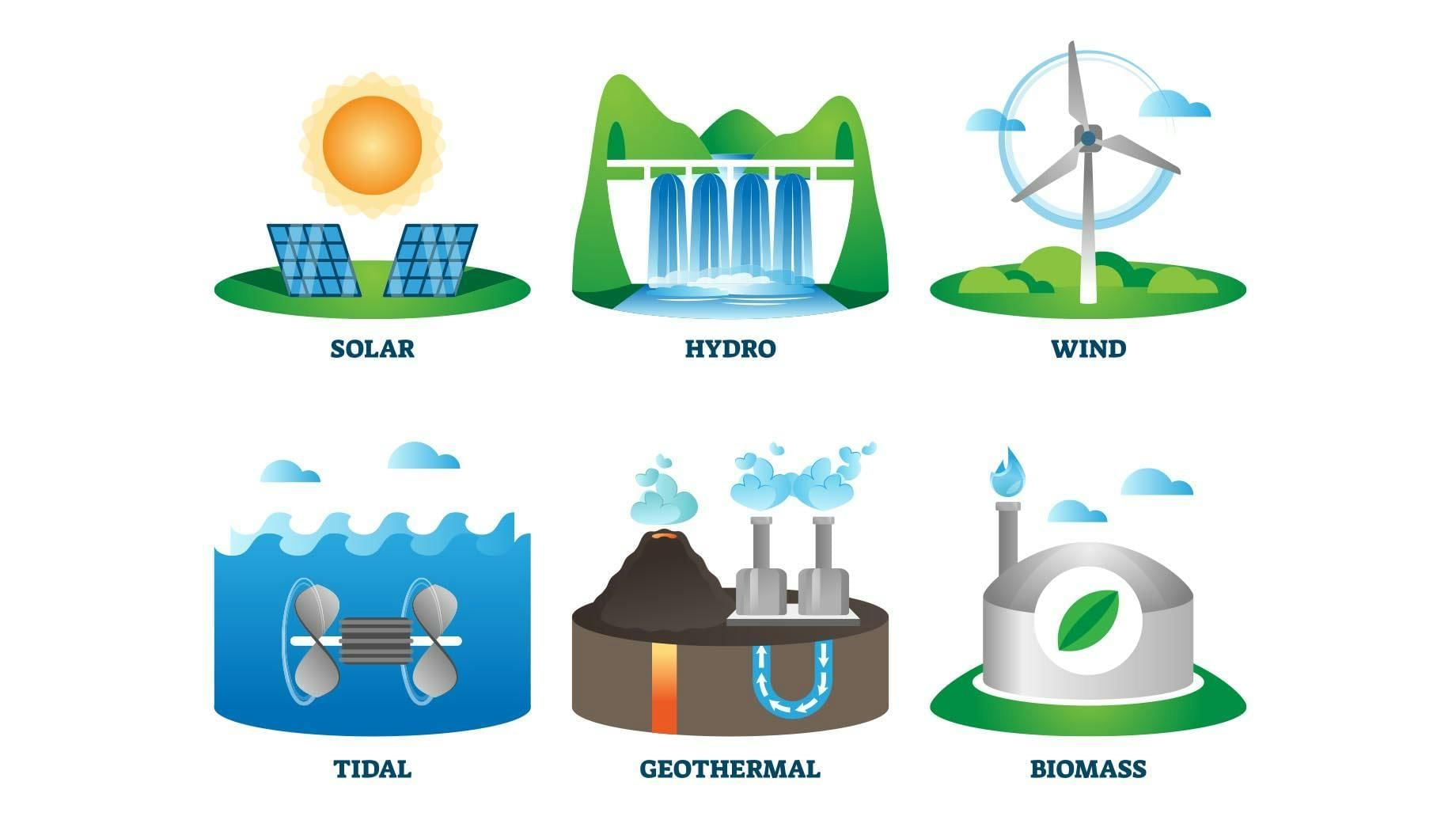
- The other possibilities fifty years from now can be using solar energy and wind energy as a source for various energy forms.
- This is because the current usage of sources of energy may result in the loss of these resources for future generations.
Q11: Why is the issue of sustainability important for development?
Ans:
- Sustainable development refers to using natural resources in a manner so that they can be used by the present and future generations.
- The issue of sustainability is important for development because if natural resources are not used carefully, they may not be available for future generations.
- The depletion of a country's resources may ultimately result in a lack of development.
Q12: "The Earth has enough resources to meet the needs of all but not enough to satisfy the greed of even one person". How is this statement relevant to the discussion of development? Discuss.
Ans:
- Development not just depends on the economic factors of a country but is also dependent on resources that are available for the people of a country to use.
- The statement: "The Earth has enough resources to meet the needs of all but not enough to satisfy the greed of even one person," is completely relevant in terms of the development of a country because natural resources are non-renewable resources.
- It is the responsibility of the people to use them only to meet their needs and not to satisfy their greed.
- If natural resources are not used wisely now, future generations may not be able to use them for their needs, which will result in the downfall of the development of a country.
Q13: Explain common, different and conflicting developmental goals by giving appropriate examples.
Ans: Developmental goals may be common, different, or conflicting.
(i) Common goals: People's common goals are regular work, better wages, equal treatment, freedom, security, friendship, respect for others, etc. These are the things that are inspired by everyone.
(ii) Different goals: Development does not mean the same thing for every individual. It varies from person to person. For example, the developmental goals of landless rural farmers may be more days of work and better wages, a local school for their children, etc., while unemployed youth may aspire for better employment opportunities etc.
(iii) Conflicting goals: Different people could have different as well as conflicting notions of a country's development.
Q14: Why are the countries of the Middle East not called developed countries in spite of higher per capita income?
Ans: The countries in the Middle East are small, and there is a wide gap between the rich and the poor. Since these are oil-producing countries, they have higher per capita income. However, the wealth available in these countries is not equally distributed among people. As a result, some are very rich while others are very poor.
Q15: Define: 1. Infant Mortality Rate 2. Literacy Rate 3. Net Attendance Ratio 4. BMI
Ans:
- Infant mortality rate. It indicates the number of children that die before the age of 1 year as a proportion of 1000 live children bom in that particular year.
- Literacy rate. It measures the proportion of literate population in the 7 and above age group.
- Net Attendance ratio. It is the total number of children of age group 6 to 10 attending school as a percentage of total number of children in the same age group.
- BMI stands for Body Mass Index. It is calculated by dividing the weight of a person in kilograms (kgs) by the square of his/her height in metres. It is an indicator of the level of nourishment in adults.
Long Answer Questions: Development
Q1. Why do we use averages? Are there any limitations to their use? Illustrate with your own example related to development.
Ans: Averages are used to summarise data and make comparisons between different groups or populations. They provide a single representative value that helps understand general trends. However, averages have limitations:
- They can mask disparities within a group by showing only the mean value.
- For example, consider two countries, A and B, each with four citizens:
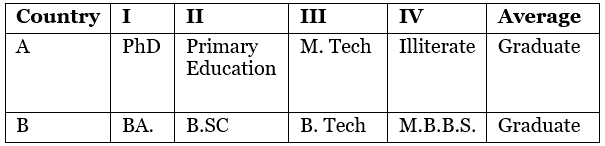
In Country A: Two citizens have only a primary education or are illiterate, while the other two have doctoral or postgraduate degrees.
In Country B: All four citizens have graduate-level education. Although the average education level is the same in both countries, there are major differences:
Country A shows significant inequality in educational attainment, whereas Country B has more uniform education levels. This example demonstrates that averages do not reveal inequalities within populations.
Q2. List a few examples of environmental degradation that you may have observed around you.
Ans: Examples of environmental degradation include:
- Groundwater depletion: Many regions in India face serious groundwater depletion due to over-extraction. Nearly 300 districts have seen water levels drop by more than 4 metres in the last 20 years.
- Water scarcity: If current consumption patterns persist, about 60% of India's population will face water stress due to overuse of groundwater within 25 years.
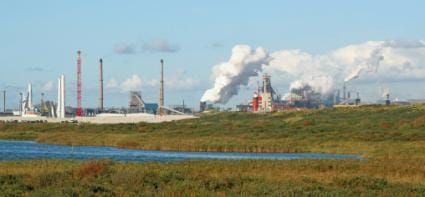
- Pollution: Urban and industrial pollution exceed the Earth's capacity to assimilate waste, adversely affecting air and water quality worldwide.
- Resource overexploitation: Excessive mining of minerals like crude oil impacts local environments and has broader ecological consequences.
These examples show that environmental degradation is a widespread problem affecting many regions.
Q3. Differentiate between renewable and non-renewable energy resources. Find out the present resources of energy in India.
Ans: Renewable energy resources are naturally replenished and can be used repeatedly without depletion. Examples include:
- Solar energy
- Wind energy
- Hydropower
In contrast, non-renewable energy resources are finite and will eventually be exhausted. Examples include:
- Crude oil
- Coal
- Natural gas
India's present energy resources include:
- Crude oil
- Coal
- Thermal power plants (using coal and natural gas)
- Hydropower
- Renewable energy sources like solar and wind are increasingly being developed.
These non-renewable resources are estimated to last for approximately 43 years at current rates of consumption. It is crucial to develop and adopt environmentally friendly alternatives.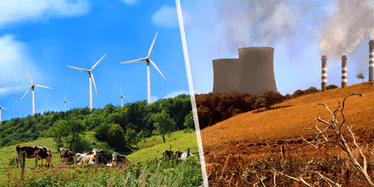
Q3. (a) What does the Human Development Index (HDI) indicate? (b) By whom HDI is prepared?
Ans: (a) Human Development Index (HDI) is a composite index that measures a country's average achievements in three basic aspects of human development:
- Longevity (life expectancy at birth)
- Knowledge (mean years of schooling and expected years of schooling)
- Standard of living (measured by Gross National Income per capita)
The HDI score ranges from 0 to 1, where 0 indicates the lowest human development and 1 indicates the highest. It assesses relative human development rather than absolute levels.
(b) The United Nations Development Programme (UNDP) has prepared the HDI since 1990.
Q4. "Money cannot buy all the goods and services that one needs to live well." Explain.
Ans: Money is important, but it cannot buy everything required for a good life. Key points include:
- A decent income may still require government support for essential services such as education and healthcare.
- Money cannot buy respect, peace of mind, or freedom, which are essential for happiness.
- It cannot guarantee a clean environment or access to safe medicines.
- Important aspects like friendships and community support cannot be bought with money.
- Collective efforts often provide essential services more effectively than individual wealth.
Hence, while money is necessary, it is not sufficient for overall well-being.
Q5. Mention any three characteristics of Development.
Ans: Three characteristics of development are:
Development involves the desire to improve one's current situation by enhancing living conditions.
Development goals vary among individuals. For example, different family members may have different aspirations.
Sometimes development goals conflict. For instance, building a dam may benefit industrial growth but displace villagers.
Q6. Explain the two basic tools used to compare an underdeveloped country with a developed country?
Ans: The two main tools for comparing underdeveloped and developed countries are:
- Per Capita Income: This measures the average income per person. In 2012, countries with a per capita income of USD 12,616 or more were considered developed, while those with ≤ USD 1,035 were underdeveloped. The World Bank uses this for classification.
- Human Development Index (HDI): This ranks countries based on life expectancy, literacy, and income. Countries with higher values are developed; lower values indicate underdevelopment. The United Nations uses this index.
Q7. How does the National Development of a country depend on the availability of public facilities?
Ans: National development depends greatly on public facilities, which ensure equitable access to essential services, particularly for those who cannot afford private options. Important points are:
- The government often partners with private firms to provide affordable healthcare and education.
- India's Public Distribution System (PDS) distributes food grains and essentials to people below the poverty line.
- Free immunisation and subsidised hospitalisation support vulnerable populations.
These public facilities are crucial for creating a more equal and developed society.
Q8. "The Earth has enough for everyone's needs but not for everyone's greed." Explain the need for sustainable development in the context of the above statement.
Ans: The statement "The Earth has enough for everyone's needs but not for everyone's greed" emphasises that while natural resources can support human needs, overconsumption threatens their availability. Sustainable development is important to ensure that:
- Development proceeds without causing environmental damage.
- The needs of the present generation are met without compromising future generations.
- Natural resources are conserved and used judiciously.
Adopting sustainable development practices ensures a balance between economic growth and environmental protection.
Flowcharts & Important Terms: Development
Key Questions
Q1: What is development? Why do different people have different developmental goals?
Q2: Explain the main criterion used by the World Bank to classify countries.
Q3: Why is average income considered an important criterion for development?
Q4: Why is income not a completely adequate indicator of development?
Q5: What is Human Development Index (HDI)?
Q6: Explain the importance of public facilities in development.
Q7: Differentiate between economic growth and development.
Q8: Why do people look at a mix of goals for development?
Q9: Explain the concept of sustainable development.
Q10: Why is groundwater becoming scarce in many parts of India?
Q11: Explain the importance of literacy and health in development.
Q12: Why is Kerala considered more developed than many other states of India?
Q13: Explain how development for one group can sometimes be harmful to another group.
Q14: What are the major developmental goals of people?
Q15: Explain the importance of sustainable use of resources.
Development is a multifaceted concept that means different things to different people. For some it primarily means higher incomes and material comforts; for others it means freedom, security, dignity, access to education and health, or the protection of the environment. A clear understanding of development therefore requires looking beyond a single measure and considering economic, social and environmental dimensions together.
Different People, Different Goals
People's goals for development depend on their life situation, priorities and needs. What is desirable for one group may not be the same for another. Examples of differing goals include:
- Higher income to buy goods, improve housing and access services.
- Basic needs such as safe drinking water, food security, clothing and shelter.
- Health and education - access to good healthcare, schools and learning opportunities.
- Security and social protection - protection from unemployment, illness and disasters.
- Freedom and dignity - the ability to make life choices without discrimination.
- Equal treatment - reducing caste, gender, regional and other inequalities.
- Environmental quality - clean air, safe water and a healthy environment for future generations.
Income and Other Goals
Income is an important indicator because it affects the ability of people to meet many needs. However, income alone does not capture all aspects of well-being. Two households with the same income may have very different life quality because of differences in education, health, public services and social security. Therefore, development policy must address both economic growth and non-monetary aspects of life.
- Role of income: Allows purchase of goods and services, reduces absolute poverty and increases choices.
- Non-monetary goals: Safety, dignity, social inclusion, reliable public services (schools, hospitals, roads), and political freedoms.
- Quality of life: Determined by a combination of income, access to services and social relations.
| Get additional INR 200 off today with EDUREV200 coupon. | Avail Offer |
Comparing Different Countries or States
Comparisons of development across countries or states typically start with economic measures but must include social indicators as well.
- Per capita income (often GDP per capita) is the average income per person and is commonly used to compare economic performance. It is calculated by dividing total national income by the population.
- Limitations of per capita income: It does not show how income is distributed, nor does it indicate health, education, or basic services. A high average may hide large inequalities.
- Social indicators: These include literacy rate, school enrolment, life expectancy, infant and maternal mortality rates, and access to clean water and sanitation. They show people's quality of life more directly than income alone.
- Composite measures: The Human Development Index (HDI) combines per capita income with life expectancy and education to give a broader picture. The Multidimensional Poverty Index (MPI) looks at deprivations in health, education and living standards.
- Regional differences: Within a country, states or regions may differ markedly. For example, one state may have higher per capita income while another performs better on health and education. Policy choices, historical factors, governance, and public investment explain many such differences.
Also read: Case Based Questions: Development |
Sustainability of Development
Sustainable development means meeting the needs of the present without compromising the ability of future generations to meet their own needs. Sustainability demands that economic growth, social progress and environmental protection proceed together.
- Three pillars of sustainable development: economic sustainability (stable growth and livelihoods), social sustainability (equity, inclusion and social protection), and environmental sustainability (conserving natural resources and ecosystems).
- Intergenerational equity: Using resources in a way that does not leave future people worse off - for example, avoiding over-exploitation of forests, groundwater or fisheries.
- Environmental limits: Development strategies must account for pollution, climate change, biodiversity loss and resource depletion.
- Example: Rapid growth driven by overuse of groundwater may raise incomes now but make agriculture unsustainable in the future; a sustainable approach balances immediate needs with long-term resource protection.
| Attention! Sale expiring soon, act now & get EduRev Infinity at 40% off! | Claim Offer |
How to Achieve Balanced and Sustainable Development
Balanced development requires policies that combine growth with redistribution, investments in human capital, and protection of the environment. Practical measures include:
- Public investment in social services: Spending on primary health care, schools and nutrition improves human development outcomes.
- Employment and social protection: Programmes that provide work, income support and insurance reduce vulnerability (for example, rural employment schemes and social pensions).
- Progressive taxation and public expenditure: Taxes can be used to fund services that benefit the poor and reduce inequality.
- Inclusive policies: Special efforts to reduce gender, caste and regional inequalities through targeted schemes and access to credit and training.
- Environmental regulation and green technologies: Policies to control pollution, conserve resources and promote renewable energy ensure long-term sustainability.
- Local participation and good governance: Involving communities, strengthening local institutions and ensuring transparency improves service delivery and accountability.
Conclusion
Development is multidimensional. While income growth is important, real progress also requires improvements in health, education, equality, security and environmental protection. Measuring development must therefore use multiple indicators, and policy must aim for sustainable, inclusive growth that improves people's lives today and preserves opportunities for the future.
Very Short Questions: Development
Q1: What is development?
Ans: It is a comprehensive term that includes an increase in real per capita income, improvement in the living standard of people, reduction in poverty, etc.Q2: Mention any two developmental goals of a landless rural laborer.
Ans: More days of work and better wages and Quality education for his children.Q3: Mention any two developmental goals of a girl.
Ans: Gender equality and Girls empowerment.Q4: What may be development for one may not be development for the other. It may even be destructive for others. Give one example.
Ans: The construction of a dam may be good for an industrialist as he will get more electricity but the construction of a dam submerges the land and disrupts the lives of people who are displaced.Q5: Mention any two developmental goals of people other than income.
Ans: Equal treatment and Respect of othersQ6: Mention any two developmental goals of a rural woman.
Ans: Dignity in the household and A safe and secure environment.Q7: What is National Development?
Ans: National development is a comprehensive term that includes improvement in living standards. of the people, increase in per capita income, and provide social amenities like education, medical care, social services, etc. to the citizens of the country.Q8: Mention any two National Development goals of India.
Ans: Corruption-free society and High per capita income.Q9: Which is the most important attribute for national development?
Ans: National income or per capita income of the nation.Q10: 'For comparing countries, total income or national income is not a useful measure. Give reason.
Ans: Since countries have different populations, comparing total income will not tell us what an average person is likely to earn.Q11: What is average income or per capita income?
Ans: When the total national income is divided by the total population, it is called the per capita income.
Per Capita Income = National Income / PopulationQ12: What is the most important component for comparing different countries?
Ans: Per capita income.Q13: Which criteria is used by the World Bank to classify different countries?
Ans: Per capita income.Q14: Which countries have been categorized as rich countries according to the World Development Report?
Ans: Countries with a per capita income of US $ 63400 per annum and above are called rich countries.Q15: Which countries have been categorized as low-income countries according to World Development Report?
Ans: Countries with a per capita income of US $ 1005 or less are called low-income countries.Q16: Under which category India has been placed by the World Bank Development Report?
Ans: Low middle-income countries as India's per capita income is less than JUS $ 1005. or less.Q17: What are developed countries according to the World Development Report?
Ans: All the countries excluding countries of the Middle East and certain other small countries that have per capita income of US $ 12276 per annum or above have been termed as developed countries.Q18: What is the Infant Mortality Rate?
Ans: It indicates the number of children that die before the age of one year as a proportion of 1000 live children born in that particular year.Q19: What is Literacy Rate?
Ans: It measures the proportion of the literate population in the seven and above age group.Q20: What is the Net Attendance ratio?
Ans: It is the total number of children of the age group 6-10, attending school as a percentage of the total number of children in the same age group.Worksheet Solutions: Development
Objective Type Questions
Q1: Which of the following is not true about development?
a. Different people usually have the same goals.
b. Different people can have different goals.
c. Different people can have different as well as conflicting goals.
d. Different people can have different as well as conflicting goals regarding national development.
Ans: AQ2: Which statement does not justify the need for provision of public facilities
a. Income itself indicate the ability to utilize goods and services
b. Public facilities are provided because people need them
c. Providing public facilities collectively reduces costs
d. Income itself cannot indicate the ability to utilize goods and services
Ans: AQ3: Which one of the following is not a base for preparation of Human Development Index (HDI)
a. Literacy rate
b. Life expectancy
c. Industrialization
d. Per capita income
Ans: CQ4: Which of the following is the most important component for comparing different countries
a. Resources
b. Youth in population
c. Per capita income
d. Life expectancy
Ans: CQ5: Which criteria is used by World Bank for classifying countries?
a. Literacy Rate
b. Life Expectancy
c. Enrolment percentage
d. Per Capita income
Ans: DQ6: Kerala has low infant mortality rate because it has
a. Low provision of basic health and educational facilities
b. Adequate provision of basic health and educational facilities
c. High mortality rate among elderly people
d. None of the above
Ans: BQ7: Body mass index is used to calculate
a. Nourishment level
b. Body growth
c. Only a
d. Both a and b
Ans: DQ8: Assume there are five families in a country. The average per capita income of these families is Rs 10000. If the income of three families is Rs 9500, Rs 10500, Rs 10200 and Rs 9800 respectively, what is the income of the fifth family?
a. Rs 10000
b. Rs 10500
c. Rs 20220
d. Rs 5800
Ans: AQ9: Which of the following is not a reason for a person which will not prevent him from joining a job which pay high salary?
a. Job security
b. Work environment
c. Facilities for family
d. Power
Ans: DQ10: Which of the following is true when industrialists want more dam to get more electricity but tribals oppose it?
a. Different persons can have different developmental goals
b. What may be development for one may not be development for the other.
c. For development, people look at a mix of goals.
d. Different persons could have different as well as conflicting notions of a country's development.
Ans: BVery Short Answer Type Questions
Q1: The total income of the country divided by its total population is Called
Ans: Per capital incomeQ2: Which organization publishes the Human Development Report?
Ans: UNDPQ3: Which state in has the highest literacy rate?
Ans: KeralaQ4: As per Human Development Report 2006 which neighboring country has the highest income?
Ans: Sri LankaQ5: What is sustainable development?
Ans: Development that does not compromise the needs of the future generation.Q6: Development of a country can generally be determined by ____________
Ans: Per capita incomeQ7: Which of the state has low infant mortality rate?
Ans: KeralaQ8: What is the full form of HDI?
Ans: Human Development IndexQ9: Which areas of the world has the largest crude oil reserves?
Ans: The Middle East.Q10: Besides money what are the other developmental goals?
Ans: Respect, Security, Pollution Free environment, etc.
Short Answer Type Questions
Q1: What does development mean for a landless rural labourer?
Ans: More days of work and better wages; local school is able to provide quality education for children; there is health facilities, and there is no social discrimination.Q2: Do all people of a country have the same notion of development?
Ans: No. Different persons can have different goals. What may be development for one may not be development for the other. It may even be destructive for the other.Q3: What are the development goals of people other than income?
Ans: Besides seeking more income, people also seek things like equal treatment, freedom, security, and respect for others.Q4: Which is the most important criterion for comparing development of countries/states?
Ans: Income/ Per capita Income.Q5: What is meant by total income of a country?
Ans: Total value of all goods and services produced within a country and the income coming from abroad in a given period of time.Q6: What is 'Average Income' Or 'Per capita Income'?
Ans: Percapita Income is obtained by dividing the national income by the population of the country.
PCI=TOTAL INCOME OF A COUNTRY
TOTAL POPULATIONQ7: What is the main criterion used by World Bank in classifying different countries?
Ans: The World Bank classifies countries in its World Development Reports based on per capita income:High-Income Countries (Rich Countries):
- Per capita income of US$ 49,300 or above (as of 2019).
- Generally referred to as developed countries, excluding Middle Eastern and certain other small countries.
Low-Income Countries:
- Per capita income of US$ 2,500 or less.
Low Middle-Income Countries:
- Countries with per capita income between US$ 2,500 and US$ 49,300.
- Example: India, with a per capita income of US$ 6,700 in 2019.
These classifications help in understanding the economic status and development levels of different countries.
Q8: Why children in many parts of India are not able to achieve Secondary education?
Ans: Children are not able to achieve secondary education because; government/ society have not provided adequate facilities.Q9: Why does Kerala have low infant mortality rate?
Ans: Kerala has low infant mortality rate because it has adequate provision of basic health and education facilities.Q10 : What are the criterions used by the Human Development Report published by UNDP to compare countries?
Ans: Gross National Income (GNI) per capita (2017 PPP $), Life Expectancy at birth, Literacy Rate for 15+ yrs population.Long Answer Type Questions
Q1: How did World Bank classify countries? What criterion did they use? What are its limitations?
Ans:Classification:
- High-Income Countries: Per capita income of US$ 49,300 or above (2019).
- Low-Income Countries: Per capita income of US$ 2,500 or less.
- Middle-Income Countries: Per capita income between US$ 2,500 and US$ 49,300 (e.g., India at US$ 6,700 in 2019).
Criterion:
- Per capita income is the primary criterion used by the World Bank.
Limitations:
- Income Distribution: Doesn't reflect inequality.
- Access to Services: Higher income doesn't guarantee healthcare, education, or a clean environment.
- Quality of Life: Ignores factors like life expectancy and literacy rate.
- Non-Monetary Aspects: Excludes political stability, security, and environmental sustainability.
Q2: Give three examples where an average income is used for comparing situations.
Or Why do we use average income? What are the limitations to their use?
Ans:- The per capita income or the average income is used to compare economic development of countries.
- We use averages to identify and analyse performance level in different areas.
- It is used to compare different situations and to find out the strong and weak points.
- We use averages to make calculations easier and averages reveal general performance level.
- There are limitations to their use.
- Averages will not represent the actual performance.
- When we take the average of similar performance or similar amount, it is meaningful.
- However, when we calculate two extremes or a number of very low performances and a very high performance, the average will not tell the exact situation.
- Q3: Why do you think average income is an important criterion for development? Explain.
Ans:
Average income represents the total income of a country keeping in view of the total population. - If the average income is adequate to meet the basic requirement and other facilities that country is considered developed.
- More income means more of all things that human beings need.
- Whatever people like and should have, they will be able to get with greater income.
Q4: Money in your pocket cannot buy all the goods and services that you may need to live well.
OR Prove by giving examples that income itself is not a completely adequate indicator of material goods and services that citizens were able to use.
Ans:- The per capita income of Haryana and Kerala is Rs. 1,80,174 and Rs. 1,63,475 by the year 2018-19.
- Though the per capita income of Haryana was much higher than Kerala.
- But their infant mortality rate is 30 and it is higher than 10 in Kerala and literacy rate is 82 % in Haryana and 94 % in Kerala. Money cannot buy all the goods and services that we need to live well. It cannot buy a pollution free environment or ensure that we get unadulterated medicine.
Short Answer Type Questions
Q1. On the basis of the given table answer the following questions:
(a) Calculate the average income of country A and B.
(b) Are both the countries equally developed?
(c) Which country is better and why?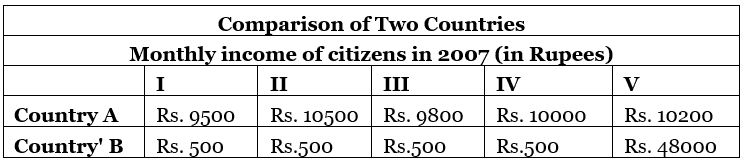
Ans: (a) The average income of Country A is calculated as follows:
Average income = (9500 + 10500 + 9800 + 10000 + 10200) / 5 = Rs. 10,000
The average income of Country B is: Average income = (500 + 500 + 500 + 500 + 48000) / 5 = Rs. 10,000(b) No, the two countries are not equally developed.
(c) Country A is better because:
- Income distribution is more equitable.
- Most citizens are neither very rich nor extremely poor.
- In Country B, the majority are poor, with one person being extremely rich.
Q2. In what respect is the criterion used by UNDP for measuring development different from the one used by the World Bank?
Ans: The World Bank and the UNDP measure development using different criteria:
- The World Bank relies solely on per capita income to assess a country's development.
- In contrast, the UNDP considers multiple factors, including: Health status, Education status, Per capita income
For example, consider two individuals in India: Mukesh Ambani, with an annual income of Rs. 50 crore. A rickshaw puller, earning Rs. 12,000 annually.
When calculating per capita income, both would appear to have similar incomes, which is misleading:
- Ambani's income would suggest Rs. 25 crore per person.
- The rickshaw puller's would show Rs. 6,000.
The UNDP's approach offers a more accurate picture of a country's development by including various indicators, thus reflecting the true status of its citizens.
Q3. Why are public facilities needed for the development of the country? Explain any four public facilities.
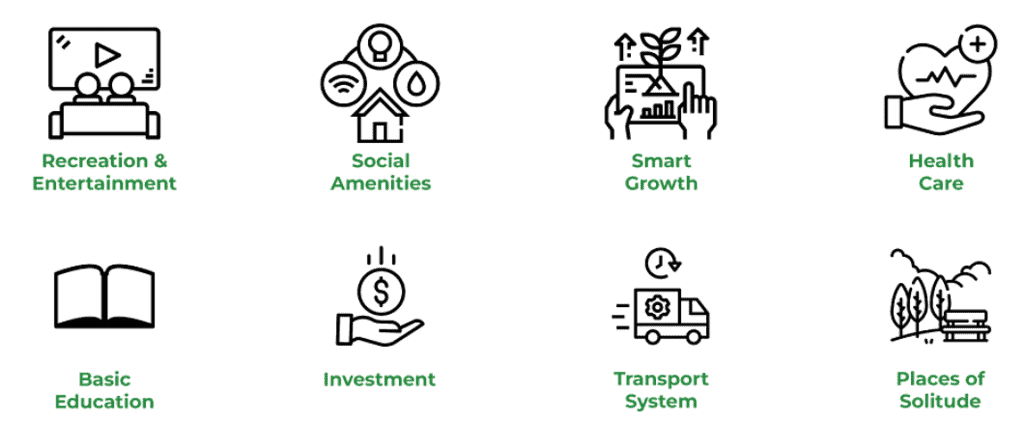
Ans: Public facilities are crucial for a country's social and economic development. They enable individuals to reach their full potential and contribute to society. Here are four key public facilities:
- Infrastructure: Building roads, railways, and ports is essential for transportation and trade, facilitating movement and commerce.
- Affordable Goods: The government should provide essential goods at low prices, ensuring that even low-income families can access them.
- Health and Education: It is the government's duty to offer adequate health and education services. A healthy and educated population is vital for national progress.
- Basic Needs: Providing safe drinking water, housing, and nutritious food for children is fundamental for their development and well-being.
Q4. What are the two basic criteria used for comparing an underdeveloped country with a developed one?
Ans: The two basic criteria for comparing an underdeveloped country with a developed one are:
- Per capita income: This criterion classifies countries based on their average income. According to the 2006 World Development Report, countries with a per capita income of Rs. 4,53,000 or more are considered rich, while those with Rs. 37,000 or less are classified as low-income countries.
- Human Development Index (HDI): This criterion ranks countries based on factors such as life expectancy, literacy rate, and overall health status.
Q5. What do you mean by Human Development Index? What are its three components?

Ans: The Human Development Index (HDI) is a measure created by the UNDP to assess and compare the development of countries. It focuses on three key components:
- Education: The educational levels of the population.
- Health: The overall health status of the people.
- Income: The per capita income of the citizens.

Q6. Why is sustainability important for development? Give two suggestions to achieve the sustainability of development.
Ans: Sustainability is crucial for development because neglecting environmental and natural factors can lead to serious consequences for humanity. For instance, if we continue to deforest without restraint, it could exacerbate global warming, jeopardising our planet's future. In such a scenario, the purpose of development becomes questionable.
To achieve sustainability, we can:
- Reduce reliance on non-renewable resources.
- Adapt our lifestyles to natural conditions and utilise local resources whenever possible.
Q7. How does World Bank classify different countries? Is it an adequate indicator?
Ans: The World Bank classifies countries based on their per capita income. The categories are:
- Rich countries: Average per capita income of Rs 4,53,000 or more.
- Poor countries: Average per capita income of less than Rs 37,000.
However, this classification is inadequate because:
- It does not provide a full picture of development.
- It assigns a notional amount of money to poor people that may not reflect their actual financial situation.
Q8. What is development? What are the two aspects of development?
Ans: Development refers to positive growth or change in a country's economy, society, and politics.
The two main aspects of development are:
- Economic development: This involves an increase in the income of the population.
- Social development: This includes improvements in education, health, and public services.
Q9. Why are countries of the Middle East not called 'developed' in spite of high per capita income?
Ans: Countries in the Middle East are often not classified as developed despite their high per capita income due to several factors:
- Wealth Alone: High income from oil does not equate to overall development.
- Social Factors: Development also includes education, individual freedom, and gender equality.
- Political Aspects: Many Middle Eastern countries lack democratic governance.
Thus, while financial wealth is significant, it is not the sole indicator of a country's development.
Q10. Explain the concepts of Human Development Index (HDI) and that of the per capita income.
Ans: Human Development Index (HDI) and Per Capita Income are both measures of a country's development, but they differ significantly.
- Human Development Index (HDI):Developed by the U.N.D.P., HDI assesses a country's development based on three key factors:
- Health status
- Educational status
- Per capita income
- Per Capita Income:This measure, used by the World Bank, categorises countries as rich or poor based on their average income:
- Countries with a per capita income above Rs. 4,53,000 are considered rich.
- Countries with a per capita income below Rs. 37,000 are classified as poor.
Q11. What is the main criterion used by the World Bank in classifying different countries? Write the limitations of this criterion.
Ans: The main criterion used by the World Bank to classify countries is per capita income. This is calculated by dividing a country's total income by its total population. Countries with a per capita income of more than Rs. 4,53,000 per year are classified as rich, while those with less than Rs. 37,000 are considered poor.
However, there are limitations to this criterion:
- It does not provide a complete picture of development.
- Average income figures can be misleading, as they assume everyone earns the same amount.
- In reality, many individuals in a country may earn significantly less than the average, highlighting income inequality.
Q12. How can more jobs be created in the field of education? Give any three reasons.
Ans: More jobs can be created in the field of education through the following means:
- Literacy Rate: In India, only 65% of the population is literate. To provide quality education to everyone, more schools are needed.
- Teacher Demand: An increase in schools will require a greater number of teachers, thereby creating more job opportunities.
- Support Staff: More schools will also need thousands of supporting staff, such as administrative personnel, leading to additional job creation.
Q13. Mention any three characteristics of development.
Ans:
Different individuals have their own developmental goals.
What constitutes development for one person may not be the same for another; it could even be harmful.
People often consider a mix of goals when thinking about development.
Q14. 'For development people look at a mix of goals.' Support the statement with suitable examples.
Ans: It is true that when women engage in paid work, their dignity within the household and society increases. However, respect for women can lead to:
- More sharing of household work.
- Greater acceptance of women working outside the home.
- A safe and secure environment that encourages women to take various jobs or start businesses.
Thus, developmental goals encompass not only better income but also other significant aspects of life.
Long Answer Type Questions
Q1. Why Kerala has a better human development ranking than Punjab in spite of lower per capita income?
Ans: Keralahas a lower per capita income but a better human development ranking than Punjab due to several factors:
- Literacy Rate: Kerala boasts the highest literacy rate in India.
- Infant Mortality Rate: Kerala's rate is significantly lower (11) compared to Punjab's (49).
- Net Attendance Ratio: Kerala has a higher attendance ratio (91) than Punjab (81).
- Infrastructure: Kerala offers superior health and educational facilities.
- Public Services: The state provides better public amenities.
Q2. Mention any five conditions or aspects that one would consider before accepting a job.
Ans: Before accepting a job, there are several important factors to consider:
- Salary: A competitive salary is essential for most job seekers. It allows individuals to meet their needs and desires.
- Working Environment: A peaceful and safe workplace is crucial. A positive atmosphere enhances productivity for both the employee and the company.
- Job Security: While a job with lower pay may offer regular employment, it can provide a sense of security that many find valuable.
- Benefits: Access to medical facilities and paid leave for illnesses is important. Other benefits like a provident fund and gratuity also play a significant role in decision-making.
- Learning Opportunities: The chance to learn and grow during employment is beneficial for both the individual and the employer.
In summary, job seekers value not only material rewards but also various non-material aspects that contribute to their overall well-being.
Q3. What is the meaning of Infant Mortality Rate? Give two reasons for low infant mortality rate in Kerala.
Ans: Infant Mortality Rate (IMR) refers to the number of children who die before their first birthday, measured per 1,000 live births in a given year.
Kerala has a low IMR due to:
- Access to healthcare: The state provides adequate basic health facilities.
- Public Distribution System: A well-functioning system ensures people receive essential food and commodities at subsidized rates.
These factors contribute to better health and nutrition, helping to keep the IMR low.
Q4. 'Human development is the essence of social development'. Explain.
Ans: Human development is essential for social development as it prioritises the quality of life for individuals. It focuses on:
- Enhancing well-being through meeting people's needs, choices, and aspirations.
- Building human capabilities to ensure a long, healthy life.
- Providing access to education and adequate livelihood opportunities.
- Expanding basic choices for individuals.
A society is considered ideal when all its members enjoy a quality life, reflecting the importance of human development in creating a thriving community.
Q5. Distinguish between developed and developing countries.
Ans: The following differences can be observed between developed and developing countries:
- Economic Status: Developed countries have a high average income, while developing countries typically have lower incomes.
- Infrastructure: Developed nations possess advanced infrastructure, including transportation and communication systems, whereas developing nations often face challenges in these areas.
- Healthcare: Citizens in developed countries generally enjoy better healthcare services and longer life expectancy compared to those in developing countries.
- Education: Higher literacy rates and better educational facilities are common in developed countries, while developing countries may struggle with access to quality education.
- Industrialisation: Developed countries are highly industrialised, whereas developing countries may rely more on agriculture and have less diversified economies.
Unit Test (Solutions): Development
Time: 1 hour
M.M.: 30
Instructions: Attempt all questions.
Question numbers 1 to 5 carry 1 mark each.
Question numbers 6 to 8 carry 2 marks each.
Question numbers 9 to 11 carry 3 marks each.
Question numbers 12 & 13 carry 5 marks each.Q1. What is the main reason people seek regular employment and fair wages? (1 Mark)
a) To enjoy leisure
b) To avoid education
c) To improve their income and quality of life
d) To increase unpaid work
Ans: (c)
Explanation: People seek regular employment primarily to enhance their financial stability and overall well-being. Regular wages provide money for food, shelter, education and healthcare, which together raise the quality of life. Options a, b and d do not address this fundamental need for income and improved living standards.Q2. Which of the following is a non-material goal of development? (1 Mark)
a) High income
b) Job promotion
c) Respect and equal treatment
d) Bonus payment
Ans: (c)
Explanation: Respect and equal treatment are non-material goals that improve social dignity and cohesion. They affect how people are treated in society and contribute to social well-being, unlike options a, b and d which are material or monetary gains.Q3. Which country, despite having lower per capita income, has better life expectancy than India? (1 Mark)
a) China
b) USA
c) Bangladesh
d) Russia
Ans: (c)
Explanation: Bangladesh has achieved notable improvements in public health and maternal and child care, which have raised its life expectancy. This shows that a country can have better health outcomes even if its per capita income is lower than another country's.Q4. Name any one public facility provided by the government that helps improve quality of life. (1 Mark)
a) Public healthcare services
b) Private schools
c) Luxury housing
d) Corporate offices
Ans: (a)
Explanation: Public healthcare services provide medical care to a wide range of citizens, including the poor and vulnerable. Access to such services reduces disease, improves life expectancy and supports overall quality of life, unlike options that mainly serve private interests.Q5. Define per capita income. (1 Marks)
Ans: Per capita income is a measure of the average income earned per person in a specific area, typically a country or region. It is calculated by dividing the total income of the area by its population.- It provides a useful way to compare the economic performance of different countries.
- A higher per capita income indicates a higher average income, suggesting better living standards.
- Countries are often classified based on their per capita income, such as high-income and low-income nations.
Q6. Why is average income not a sufficient indicator of development? Explain with one example. (2 Marks)
Ans: Average income is not a sufficient indicator of development because it can hide differences in how income is shared among people and so fail to show real living conditions. For example, consider two countries, A and B, each with five citizens:- Country A has incomes of 9500, 10500, 9800, 10000, and 10200 Rupees.
- Country B has incomes of 500, 500, 500, 500, and 48000 Rupees.
- Both countries have the same average income, but in Country A income is fairly evenly distributed, while in Country B one person is very rich and the others are very poor.
- Thus, despite similar average incomes, living standards are very different. This example shows that average income does not reflect the economic well-being of all citizens and can be misleading.
Q7. List any two goals, besides income, that people seek for development. (2 Marks)
Ans: People pursue various goals beyond just income. Two significant goals include:- Security: Individuals seek a sense of safety in their lives, which includes physical safety, job security and financial stability. Security helps people plan for the future without constant fear.
- Respect: Many desire recognition and respect from others, which contributes to dignity and social standing. Respect improves self-worth and social inclusion.
Q8. What is meant by sustainable development? Give one example of overuse of a resource. (2 Marks)
Ans: Sustainable development means pursuing growth and improvement today in a way that does not reduce the ability of future generations to meet their needs. It balances economic progress, social inclusion and environmental protection. One example of overuse of a resource is groundwater in India:- Many districts have seen water levels fall by over 4 metres in the last 20 years.
- About one-third of the country is currently overusing its groundwater reserves.
- If this trend continues, up to 60% of the country could face similar shortages in the next 25 years.
- Overuse is particularly evident in regions like Punjab and western Uttar Pradesh and in many urban areas, showing that current use is not sustainable.
Q9. Compare Kerala and Haryana using any three development indicators. (3 Marks)
Ans: Kerala and Haryana can be compared using three key development indicators:- Infant Mortality Rate: - Haryana: 30 deaths per 1,000 live births - Kerala: 7 deaths per 1,000 live births. This shows that Kerala has much better health outcomes for infants.
- Literacy Rate: - Haryana: 82% - Kerala: 94%. Kerala's higher literacy rate reflects better educational access and outcomes.
- Net Attendance Ratio (secondary level): - Haryana: 61% - Kerala: 83%. A higher ratio in Kerala indicates that more children attend secondary school, suggesting better school participation.
Q10. How does the Human Development Index (HDI) measure the level of development in a country? Mention any three components. (3 Marks)
Ans: The Human Development Index (HDI) measures development by combining indicators that reflect health, education and income. Three components are:- Life Expectancy: The average number of years a person is expected to live, showing overall health and healthcare quality.
- Education: Measured by mean years of schooling and expected years of schooling, indicating educational attainment.
- Gross National Income (GNI) per capita: The average income of a country's citizens adjusted for purchasing power, indicating economic well-being.
By combining these three, the HDI gives a broader picture of human development beyond income alone.
Q11. Explain any three limitations of using only income as a measure of development. (3 Marks)
Ans: Limitations of Using Only Income as a Measure of Development- Ignores Quality of Life: Income alone does not capture health, education, environmental quality or living conditions that determine actual well-being.
- Income Distribution: Average income can hide inequalities. A high average may exist alongside severe poverty for many people.
- Non-Monetary Aspects: Important goals such as freedom, security, respect and social inclusion are not measured by income but are essential parts of development.
Q12. Why do different people have different goals for development? Explain with three examples to show how what may be development for one may not be development for another. (5 Marks)
Ans: Different people have different goals for development because their needs, circumstances and values vary. Three examples illustrate this:- Income vs Security: A farmer may prioritise better income from crops, whereas a government teacher may value job security and a stable workplace. For the farmer, development means higher earnings; for the teacher, it means steady employment and benefits.
- Education vs Employment: A young woman might aim for higher education to increase her future opportunities, while a local shop owner might prioritise expanding the business to earn more now. Both seek improvement, but their immediate goals differ.
- Industrial Growth vs Local Rights: An industrialist may support building a large dam to increase power supply and economic growth, but local tribal communities may see the same project as a threat to their land, livelihoods and culture. Thus one group's development project can be harmful to another group.
Q13. Suggest any four steps that should be taken to ensure sustainable development in India. Explain how they help preserve resources for the future. (5 Marks)
Ans: Four steps to ensure sustainable development in India:- Promote Renewable Energy: Expanding solar, wind and other renewables reduces dependence on fossil fuels, lowers pollution and conserves non-renewable energy resources for future generations.
- Implement Water Conservation Techniques: Measures such as rainwater harvesting, watershed management and drip irrigation save water, recharge groundwater and prevent depletion, ensuring water availability in the long term.
- Encourage Sustainable Agriculture: Practices like organic farming, crop rotation and integrated pest management maintain soil fertility and biodiversity, keeping agricultural land productive for the future.
- Enhance Waste Management: Reducing, reusing and recycling waste, together with proper sewage treatment, reduces pollution, conserves raw materials and protects ecosystems for coming generations.
Together, these steps help preserve vital natural resources, reduce environmental damage and ensure that economic growth can continue without compromising the needs of future generations.
Infographics: Development