
Mind Map: A Letter to God
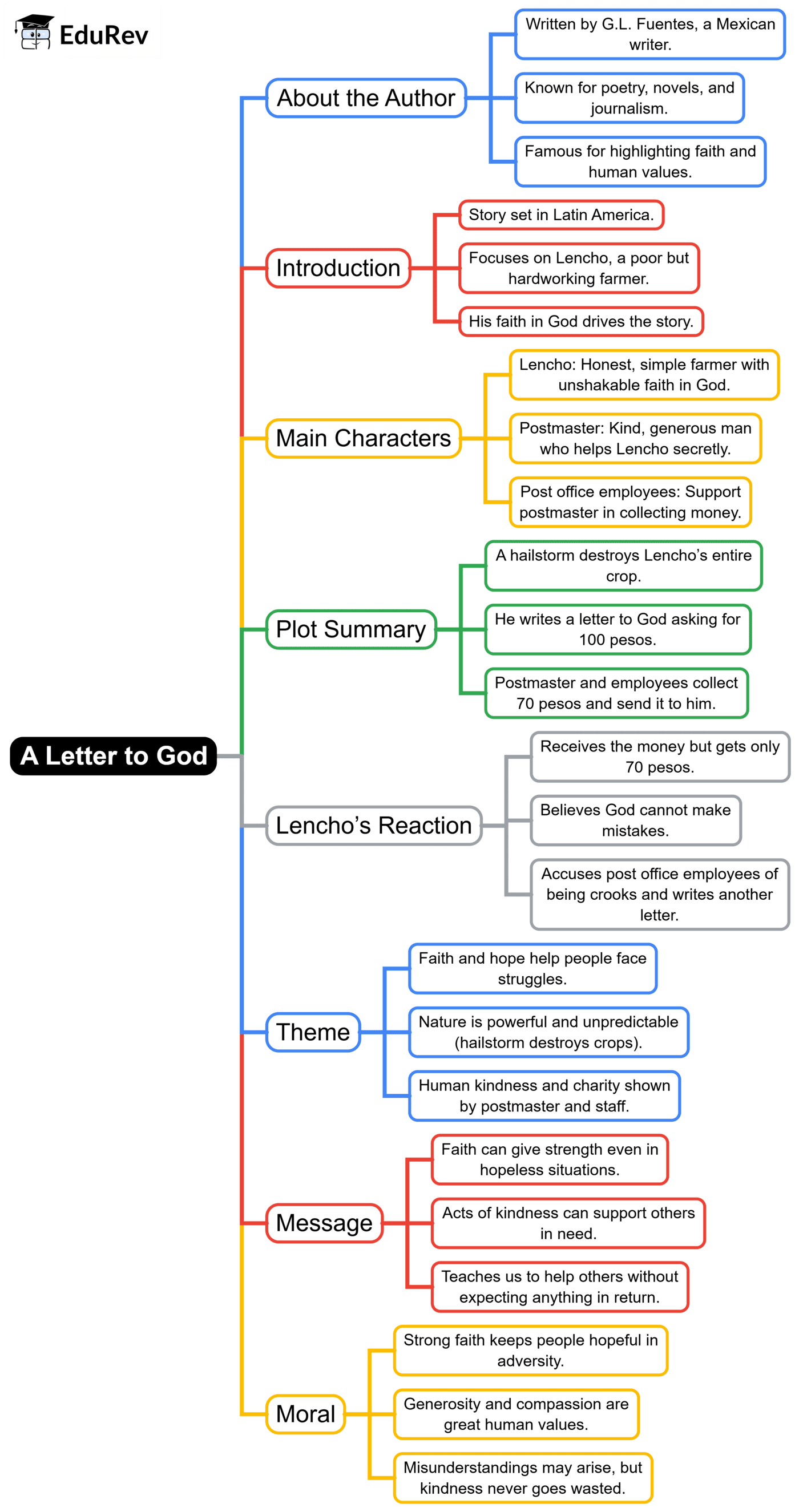
- The story "A Letter to God" was penned by G.L. Fuentes, a prominent Mexican writer known for his contributions in poetry, novels, and journalism during that era.
- The narrative unfolds in a Latin American setting, focusing on Lencho, a farmer who faces a crisis when his entire crop is destroyed by a hailstorm.
- Seeking divine intervention, Lencho writes a letter to God.
- Although his prayers are partially answered, he remains unappreciative and questions the integrity of the postmasters who anonymously provide financial aid in the name of God.
Detailed Summary
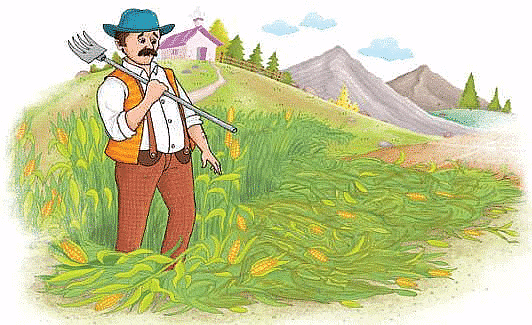
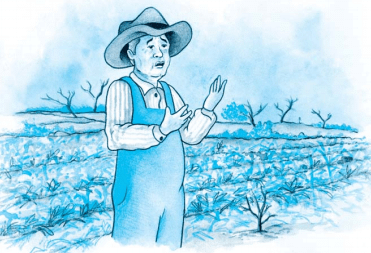
Lencho was a dedicated farmer. He was expecting a decent harvest. However, to his grief, a hailstorm came and destroyed his harvest completely. Lencho was very sad.
However, he had a strong belief in God. He was certain that God would help him. Also, he was an extremely straightforward man. Although working for a long time on the farm, he knew writing. Thus, he composed a letter to God. In the letter, he asked God to send him one hundred pesos. At that point, he went to the post office and put his letter into the post box.
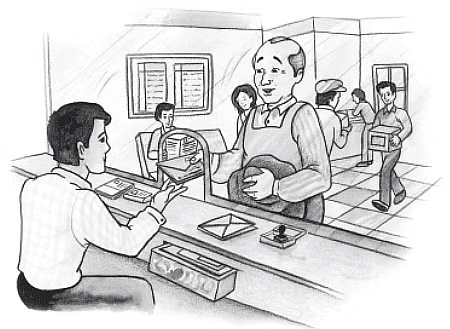
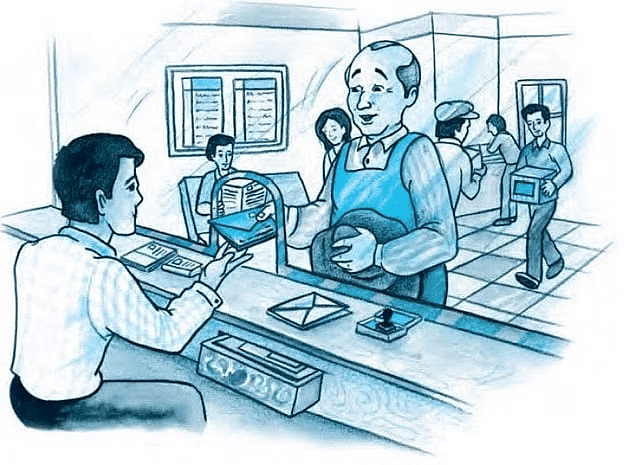
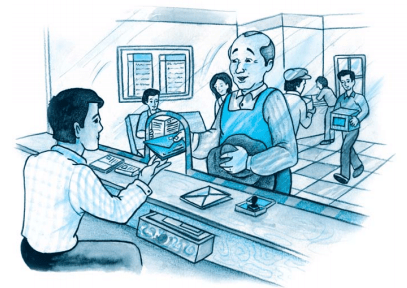
The postman removed the letter from the letterbox. He read the address on it and laughed very much. Also, he rushed to the postmaster and demonstrated to him that strange letter. Moreover, the postmaster also laughed in the same way when he saw the address of God. However, on reading the letter, he got very serious. He lauded this man who had unquestioned faith in God and decided to help him in terms of money. He asked the employees of the post office to give charity. Moreover, he gave a part of his salary too. However, they were able to collect only a little more than half the money as requested by Lencho. The postmaster put the money in an envelope. It was addressed to Lencho.

After Lencho had left the place, the postmaster and the employees read the letter. In it, Lencho had complained to God that he had received only seventy pesos. Also, he requested God to send him the rest of the money this time. However, he asked God not to send the money through the mail. He wrote that the post-office employees were a bunch of crooks and thus might have stolen the money.
Try yourself: What was Lencho's reaction when he received the money from the postmaster?
Theme/ Message
Theme
- The main themes in this story are faith, hope, and the power of nature.
- The story is about a farmer named Lencho who experiences a hailstorm that destroys his crops, leaving him with no hope of feeding his family. Despite this, Lencho remains hopeful that God will help him, and he writes a letter to God asking for 100 pesos to help him plant his fields again.
- The story highlights the power of faith and how it can provide hope in times of adversity. Additionally, the story explores the power of nature, as the hailstorm wreaks havoc on Lencho's crops, highlighting the unpredictability and destructive potential of the natural world.
- Finally, the story touches on themes of charity and the kindness of strangers, as the postmaster and his colleagues come together to help Lencho in his time of need, even though they cannot give him everything he asks for.
Message
- The message of the story is that faith and belief can move mountains. Lencho's faith in God is unshakable, and he believes that God will help him no matter what.
- The postmaster's act of kindness shows that even in difficult times, people can come together to help each other.
Difficult Words
- Crest - top of a hill
- Downpour - heavy rain
- Intimately - thoroughly
- Curtain - covering like a drape
- Expression - an aspect of the face
- Plague - cause of disaster
- Predict - say in advance
- Amiable - kind-hearted
- Conscience - moral sense of right/wrong
- Charity - benefaction
- Contentment - satisfaction
- Comment - remark
- Blow - hard stroke with fist
- Crook - rogue/swindler
Character Sketch: A Letter to God
Character Sketch of Lencho
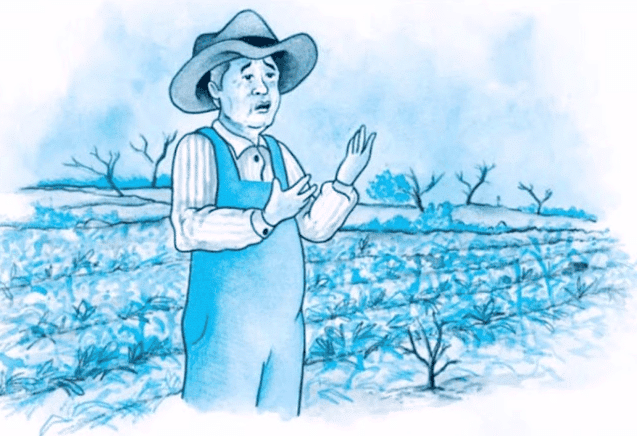
- Devout - Lencho is deeply religious and has a strong faith in God, which is evident in his letter to God for help in the story.
- Honest - Lencho is an honest man who never cheats or lies, as evidenced by his trust in the postman to deliver his letter to God.
- Simple - Lencho is a simple man who leads a simple life and has simple aspirations, which is shown in his letter to God asking for just enough money to survive.
- Determined - Lencho is a determined man who does not give up easily, as seen in his unwavering belief in God's ability to provide him with the help he needs.
Character Sketch of the Postmaster
The postmaster had a very pleasant and humble personality. He read the letter upon discovering that someone had addressed it to God and was greatly affected and impressed by Lencho's trust in God. He was very well aware that God does not have a physical address to which he could deliver Lencho's letter, so he decided to support Lencho and retain his faith in God, by sending financial assistance. He collected 70 pesos from his staff members and also sent Lencho a portion of his pay as a contribution. But the postmaster was saddened after reading Lencho's second letter in which he had complained to God about the people working in the post office. The postmaster's good intention received a setback when Lencho doubts them.
- Dutiful - The postmaster takes his job seriously and is dedicated to his duty.
- Empathetic - Despite being initially surprised by Lencho's letter to God, the postmaster shows kindness towards Lencho's situation and tries to help him.
- Pragmatic - The postmaster understands the limitations of the system and makes a sensible decision to collect money from his mates to help Lencho.
- Helpful - The postmaster goes out of his way to collect money from his mates to help Lencho, even though he is not required to do so.
- God Fearing- He does not want Lencho to lose his Faith in God.
Character Sketch of Post Office Employees
The post-office employees make every effort to help Lencho. They believed that only an innocent and foolish farmer could write a letter to God. They were considerate and full of compassion. They wondered at the faith of the man who wrote that letter. But they contributed something for an 'act of charity'. They couldn't collect the full hundred pesos but managed to send seventy pesos to Lencho. Only a single word was written as a signature: 'God'.
Long Answer Questions: A Letter to God
Q1: Lencho received the money and a letter from God but still, he was not happy. Was it not in his attitude to be happy with what he achieved? Did he not know the pleasure of being grateful to others? Reflecting on the values required to lead a happy life, explain in about 100-120 words.
Ans: Lencho's reaction to the money he received shows a mixture of deep faith and single-mindedness rather than ingratitude. He believed so firmly that God would send exactly 100 pesos that, when he found only 70 pesos, he was angry - not at God, but at the human agency he imagined had interfered. To lead a happy life one needs faith, but also gratitude, openness to others' help, and the ability to accept imperfect outcomes without resentment. Contentment, humility and thankfulness help people appreciate kindness and build lasting relationships. Lencho's innocence and optimism are admirable, but greater gratitude and an awareness of human limitations would have made him happier.
Q5: Give the character sketch of Lencho.
Or
Q9: Write the story of Lencho's faith in God.
Or
Very Short Questions: A Letter to God
Oral Comprehension - Page 5
 | Get additional INR 200 off today with EDUREV200 coupon. | Avail Offer |
Oral Comprehension - Page 6
Also read: PPT - A Letter to God |
Oral Comprehension - Page 7
 | Attention! Sale expiring soon, act now & get EduRev Infinity at 40% off! | Claim Offer |
Thinking about the Text
Q5. Are there people like Lencho in the real world? What kind of a person would you say he is? You may select appropriate words from the box to answer the question.

Ans: Yes, there are people like Lencho. He is simple, sincere and deeply trusting. Although he could read and write, his faith was so strong that he accepted what he could not fully explain and did not question how the letter might reach God.
Also read: PPT - A Letter to God |
Thinking about the Language
Q1. There are different names in different parts of the world for storms, depending on their nature. Can you match the names in the box with their descriptions below, and fill in the blanks? You may use a dictionary to help you.

(b) Gale
(c) Typhoon
(d) Tornado
(e) Hurricane
(f) Whirlwind
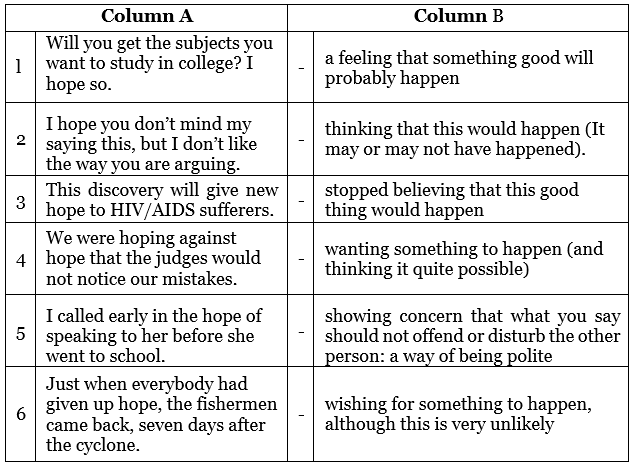
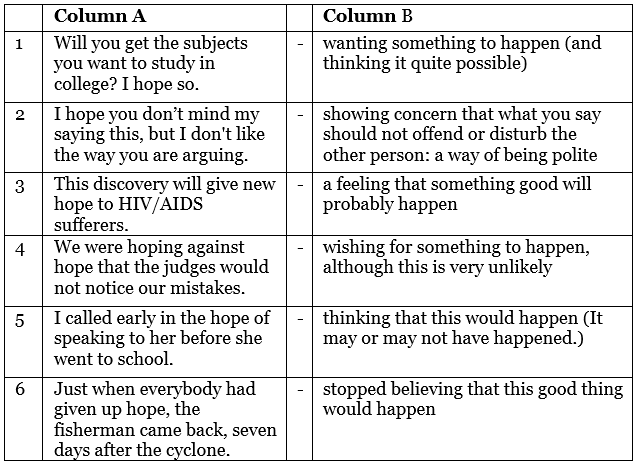
Q2. Match the sentences in Column A with the meanings of 'hope' in Column B.
Ans:
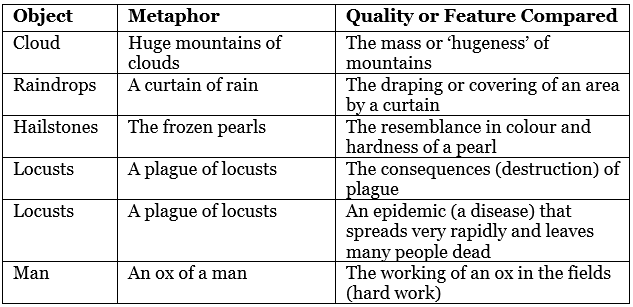
Q5. In pairs, find metaphors from the extract to complete the table below. Try to say what qualities are being compared. One has been done for you.
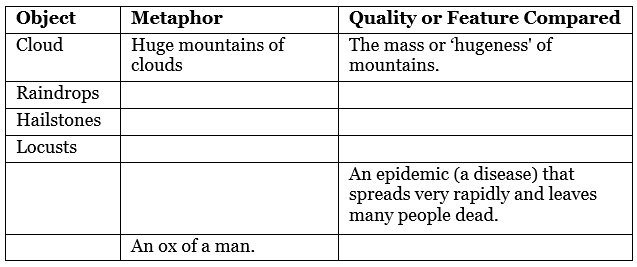
Ans:
Although the postmaster and his colleagues performed a kind and generous act, Lencho wrongly blamed them for taking some of the money.
Question: In the class 10 story ‘A Letter to God’, why was Lencho looking at the sky in the north-east?
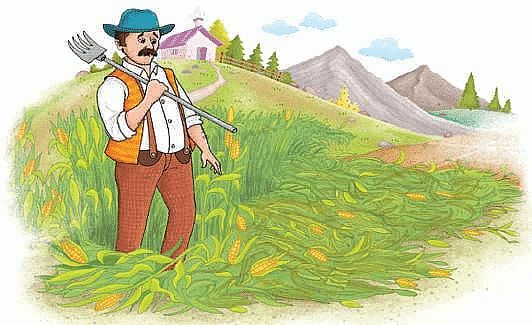
Passage: The house – the only one in the entire valley – sat on the crest of a low hill. From this height, one could see the river and the field of ripe corn dotted with the flowers that always promised a good harvest. The only thing the earth needed was a downpour or at least a shower. Throughout the morning Lencho – who knew his fields intimately – had done nothing else but see the sky towards the northeast.
Explanation / Answer: Lencho, the farmer, lived on the only house that was there on the top of a hill. The hill was low-heighted. From there, a river and a ready-to-harvest corn field were visible. The field belonged to Lencho and he had the utmost confidence that the harvest would reap great profits. The only thing that he awaited was rainfall. In this hope, he spent an entire morning gazing at the sky in the north-east direction from where a drizzle was expected to shower on his field.
Question: What is the significance of Lencho’s statement “Now we’re really going to get some water”?
Passage: “Now we’re really going to get some water, woman. The woman who was preparing supper, replied, “Yes, God willing”. The older boys were working in the field, while the smaller ones were playing near the house until the woman called to them all, “Come for dinner. It was during the meal that, just as Lencho had predicted, big drops of rain began to fall. In the north-east huge mountains of clouds could be seen approaching. The air was fresh and sweet. The man went out for no other reason than to have the pleasure of feeling the rain on his body, and when he returned he exclaimed, “These aren’t raindrops falling from the sky, they are new coins. The big drops are ten cent pieces and the little ones are fives.”
Explanation / Answer : The man, while looking at the sky, confidently tells his wife that they are going to have a rain-shower to which the lady replies by saying, only if everything happens as they hope and expect. Their elder children were working at the field and the younger ones were playing near the house when Lencho’s wife calls everyone for dinner. It is during that time, drops of rain begin to fall, hereby proving the farmer’s prediction to be true. The wind was pleasant and clouds could be seen approaching from the north-east sky. Lencho goes out of the house to take pleasure in feeling the droplets on his body. He refers to the drizzle as coins, large droplets being equivalent to ten cents and the smaller ones, five cents. He says so because these raindrops would ensure a good crop which would eventually get them a lot of money.
Question: In the story ‘A Letter to God’, what does “he regarded the field of ripe corn with its flowers draped in a curtain of rain” mean?
Passage: With a satisfied expression he regarded the field of ripe corn with its flowers, draped in a curtain of rain. But suddenly a strong wind began to blow and along with the rain very large hailstones began to fall. These truly did resemble new silver coins. The boys, exposing themselves to the rain, ran out to collect the frozen pearls.
Explanation / Answer: On seeing everything go as expected, Lencho reflected upon the field and the flowers covered with droplets which seemed as if they were wrapped in a curtain. Unexpectedly, strong wind started blowing, leading to a hailstorm. Satirically, the writer refers to these pellets of frozen rain as “new silver coins. The innocent boys became playful and went out in the rain to play and collect these hailstones which looked like “frozen pearls”.
Question: How do you explain the description of the devastation caused by the hailstorm reflects the sadness within Lencho with the reference to a letter to God?
Passage: “It’s really getting bad now,” exclaimed the man. “I hope it passes quickly. It did not pass quickly. For an hour the hail rained on the house, the garden, the hillside, the cornfield, on the whole valley. The field was white as if covered with salt.
Explanation / Answer: The farmer now starts worrying and hopes that the storm gets over quickly, which, to his utmost disappointment, didn’t. The hailstones covered the entire valley including the house, garden, hillside, and cornfield. It made everything look so white that it seemed as if it was covered in salt.
Question: In the lesson ‘A Letter to God’, why did not a leaf remain on the trees?
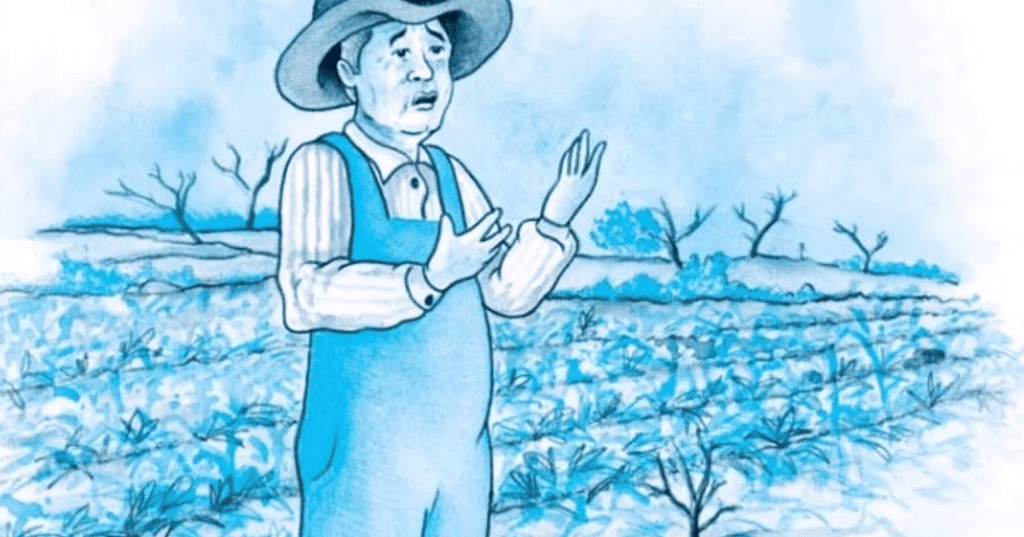
Passage: Not a leaf remained on the trees. The corn was totally destroyed. The flowers were gone from the plants. Lencho’s soul was filled with sadness. When the storm had passed, he stood in the middle of the field and said to his sons, “A plague of locusts would have left more than this. The hail has left nothing. This year we will have no corn.” That night was a sorrowful one. “All our work, for nothing. There’s no one who can help us”.”We’ll all go hungry this year.”
Explanation / Answer: Lencho became stressed and disappointed as everything went against the plan. The trees had shed their leaves, corns were smashed and the flowers had also fallen from their plants. While standing in the withered fields, he conveyed his dismay and sorrow to his sons by commenting that the effect of the storm proved to be worse than that of crop-destroying insects. All their hard work had gone in vain. He felt helpless as no corn had been left and feared, that they might have to starve this time.
Question: Why was Lencho called an ox of a man?
Question: What did Lencho do after his crops were destroyed and why was he so confident?
Passage: “God, he wrote, “if you don’t help me, my family and I will go hungry this year. I need a hundred pesos in order to sow my field again and to live until the crop comes, because the hailstorm….” He wrote ‘To God’ on the envelope, put the letter inside and, still troubled, went to town. At the post office, he placed a stamp on the letter and dropped it into the mailbox.
Explanation / Answer: In his letter to god, he communicated his poverty-stricken situation and mentioned that he needed 100 pesos to regenerate the crops along with surviving until they are ready to harvest. On the envelope, He wrote, “To God, Then, at the post office, placed stamp on the letter and dropped it in the mailbox.
Question: In the class 10 lesson ‘A Letter to God’, how did the employees at the post office react when they saw the letter addressed to God?
Passage: One of the employees, who was a postman and also helped at the post office, went to his boss laughing heartily and showed him the letter to God. Never in his career as a postman had he known that address. The postmaster – a fat, amiable fellow – also broke out laughing, but almost immediately he turned serious and, tapping the letter on his desk, commented, “What faith! I wish I had the faith of the man who wrote this letter. Starting up a correspondence with God!”Â
Explanation / Answer: A postman, who was also an employee of the post office, noticed Lencho’s letter and showed it to the postmaster. They both felt amused, but the postmaster, fat and friendly, immediately developed a sense of seriousness. He was astounded at the amount of faith Lencho has in God and wished he had the same.
Question: What did the postmaster do in order not to shake Lencho’s faith in God?
Explanation / Answer: With good intentions, the postmaster read the letter and thought of replying to it so as to keep the writer’s belief intact. But the writer expected the reply in a different way that could not be fulfilled with pen, paper and morals. The farmer had demanded for 100 pesos. The postmaster along with his colleagues and a few friends, who were more than willing to donate for a good cause, collected a pool of money to help Lencho.
Question: Why did Lencho show no surprise on seeing the money?
Question: Highlight the irony in the class 10 story ‘A Letter to God’.
Passage: Immediately, Lencho went up to the window to ask for paper and ink. On the public writing table, he started to write, with much wrinkling of his brow, caused by the effort he had to make to express his ideas. When he finished, he went to the window to buy a stamp which he licked and then affixed to the envelope with a blow of his fist. The moment the letter fell into the mailbox the postmaster went to open it. It said: “God: Of the money that I asked for, only seventy pesos reached me. Send me the rest, since I need it very much. But don’t send it to me through the mail because the post office employees are a bunch of crooks. Lencho.”
FAQs
Question: Who is the narrator of A Letter to God?
Ans. The story A Letter to God is narrated by the writer G.L. Fuentes.
Question: What is the theme of the class 10 story A Letter to God?
Ans. The central message of the story A Letter to God is that blind faith can make a man impractical. The farmer, Lencho does not realize that the post office staff is the messenger of God who have helped him. He accuses them and thinks that they have stolen the money that god had sent him. Lencho does not realize that God cannot send money, instead he will send some messengers to help him.
Question: Who is the postmaster in the lesson A Letter to God?
Ans. In the story A Letter to God, the postmaster is a fat and amiable person. When he sees Lencho’s letter addressed to God, he is surprised by the poor farmer’s immense faith. He decides to retain the faith and thus, collects money to give to Lencho, on God’s behalf. Thus, the postmaster acts as a messenger of God.
Question: What does Lencho wish to happen?
Ans. When Lencho sees the crop of corn in the field, he prays for a light shower of rain which will help the crop ripe and become good.
Question: What is the story A Letter to God about?
Ans. The story ‘A Letter to God’ is about a farmer’s immense faith in God which makes him impractical. The farmer believes that God will send him money and in such a belief, he mistakes his helpers to be crooks.